Thin Line Lettering: A Minimalist Typeface for Sophisticated Brand Identities
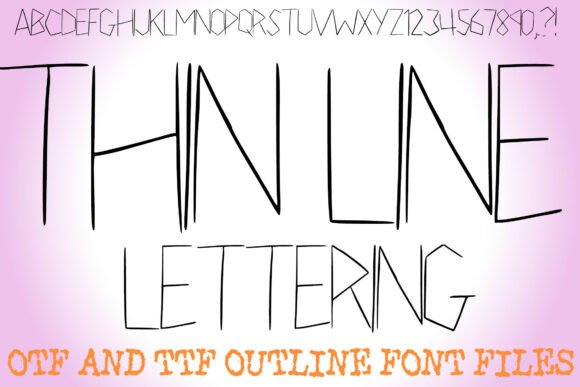
I remember staring at a blank Figma canvas, the cursor blinking mockingly in the center of the screen. The client wanted a visual identity that felt expensive but understated, something that whispered rather than shouted. We were working on a rebrand for a boutique skincare line, and every heavy serif or chunky sans-serif I dragged onto the board felt too loud, too corporate, or just plain wrong. That was the moment I decided to test Thin Line Lettering, a hand-drawn display alphabet defined by its ultra-fine, needle-thin strokes and sharp, angular silhouettes. What started as a quick experiment in a new file quickly became the cornerstone of an entire brand system.
If you are a graphic designer looking to add a touch of refined elegance to your projects, this font deserves a spot in your library. It is not just another decorative typeface; it is a strategic design asset that can elevate a simple logo into a statement piece. In this breakdown, I will walk you through how I integrated this unique Display font into a real-world branding project, discussing everything from initial mockups to final print materials.
Thin Line Lettering for Luxury Skincare Packaging Design
When we first placed Thin Line Lettering on the product label, the effect was immediate. The needle-thin strokes created a sense of airiness and precision that perfectly matched the clinical yet luxurious nature of the skincare products. Unlike standard geometric sans-serifs, which can sometimes feel cold or industrial, the hand-drawn quality of these Fonts added a layer of human craftsmanship. This contrast is crucial in modern packaging design, where consumers are increasingly drawn to brands that feel both scientifically advanced and artisanally made.
The sharp, angular silhouettes of the letters allowed the text to stand out even at small sizes, provided it was used correctly. I found that using the font for the primary product name on the bottle front worked beautifully because the negative space around the thin lines drew the eye inward. However, I had to be careful with body copy. While the aesthetic appeal is undeniable, readability takes a hit if you push fine lines too far. For ingredient lists and usage instructions, I switched to a clean, neutral sans-serif, letting the Thin Line Lettering serve strictly as the headline accent. This hierarchy ensured that the brand remained sophisticated without sacrificing usability.
Achieving a Sophisticated, Minimalist Look with the Thin Line Font
The core promise of this typeface is its ability to achieve a sophisticated, minimalist look with the Thin Line Font. In our project, this translated directly to the visual tone of the brand. Minimalism is often misunderstood as "less is more," but in typography, it is about precision. Every stroke matters. Because the lines are so fine, there is no room for error in kerning or spacing. If two letters sit too close together, the thin strokes can visually merge, creating muddy shapes that confuse the reader. Conversely, if they are spaced too loosely, the delicate structure loses its impact.
I learned this the hard way during the second round of revisions. Initially, I had set the tracking (letter-spacing) too tight, which caused the angular cuts of the letters to clash. By loosening the spacing, the sharp silhouettes could breathe, enhancing the elegant, high-end feel. This subtle adjustment transformed the logo from a simple wordmark into a luxury emblem. When designing for premium markets, such as high-end cosmetics or fine jewelry, this attention to typographic detail is what separates amateur designs from professional brand identities.
Thin Line Lettering for Editorial Headers and Website Hero Sections
Beyond physical packaging, Thin Line Lettering proved to be incredibly versatile in digital spaces. For the brand’s website, we needed a hero section that captured attention instantly without overwhelming the user interface. Using the font for the main headline, paired with ample white space, created a striking visual anchor. The ultra-fine nature of the typeface allowed background imagery or soft color gradients to show through subtly, adding depth to the web design without cluttering the layout.
In editorial design, such as lookbooks or digital magazines associated with the brand, this font excels as a display element. I used it for pull quotes and chapter titles. The angular silhouettes gave the text a modern, architectural feel that complemented the photography perfectly. Because the font is classified as a Display typeface, it is designed to be read at large sizes, and the website implementation respected this rule. On mobile devices, however, I had to ensure the font size remained large enough to maintain legibility. At smaller sizes, the fine lines risked disappearing on lower-resolution screens, so scaling was a key consideration in the responsive design phase.
Thin Line Lettering for Social Media Graphics and Digital Marketing
Social media requires a different approach to typography. Images are viewed quickly, often on small screens, so the message must be clear and impactful. Here, Thin Line Lettering was used sparingly but effectively. I avoided using long sentences in this font. Instead, I used it for single-word overlays or short phrases like "New Arrival" or "Limited Edition." The sharp angles cut through the noise of crowded social feeds, grabbing attention with their distinctive shape.
For Instagram posts and stories, the font’s elegance aligned well with the curated aesthetic of the skincare brand. I paired it with muted, earthy tones to enhance the minimalist vibe. The key takeaway here is restraint. When every post uses a bold, heavy font, the feed feels chaotic. By introducing Thin Line Lettering as an accent, we created visual variety and a sense of calm sophistication. This strategy helped increase engagement because the content felt more cohesive and intentional, signaling to the audience that the brand values quality and design.
Thin Line Lettering for Logo Design and Brand Identity Systems
The true test of any typeface is its performance in logo design. Can it hold up when scaled down? Does it work in black and white? With Thin Line Lettering, the answer is yes, but with caveats. The angular silhouettes provide strong recognition value, making the logo memorable. However, because the strokes are so thin, the logo must be printed or rendered with high fidelity. On low-quality prints or cheap merchandise, the fine lines might break or fade, losing their definition.
To mitigate this, I created multiple versions of the logo for different applications. For business cards and letterheads, the full-color version with the fine lines worked perfectly, projecting professionalism and attention to detail. For embroidered patches on uniforms or stamped seals, I opted for a slightly bolder weight or a simplified version of the lettering to ensure durability and clarity. This adaptability is crucial for a complete brand identity system. A great font should not just look good in one context; it should guide the designer on how to apply it consistently across all touchpoints.
Thin Line Lettering for Wedding Invitations and Elegant Stationery
While our case study focused on a commercial brand, the versatility of Thin Line Lettering extends beautifully into personal stationery. The hand-drawn, needle-thin aesthetic is ideal for wedding invitations, save-the-dates, and elegant event programs. The sharp angles offer a modern twist on traditional calligraphy, appealing to couples who want a contemporary yet romantic feel. When paired with high-quality textured paper and foil stamping, the thin lines catch the light in a way that adds a tactile dimension to the invitation suite.
For designers working in the events industry, this font offers a unique selling point. It bridges the gap between rigid modernity and organic warmth. The angular cuts prevent the script-like feel from becoming too sentimental, keeping the design grounded and stylish. Whether used for monograms or full address blocks, the font commands respect and suggests a level of care and exclusivity that clients appreciate.
Practical Advice for Testing and Pairing Thin Line Lettering
If you are considering incorporating Thin Line Lettering into your next project, start by testing it in isolation. Create a simple composition with just the alphabet and see how the characters interact. Pay close attention to the counter-spaces (the enclosed or partially enclosed areas within letters) and ensure they remain open and readable. Since this is a Display font, do not use it for paragraphs of text. Reserve it for headlines, logos, and short accents.
Pairing is equally important. Because Thin Line Lettering has such a strong personality, it needs a supportive partner. A clean, neutral sans-serif font works best for body text, providing a stable foundation that allows the decorative letters to shine. Avoid pairing it with other ornate or handwritten fonts, as this can create visual competition and confusion. Stick to modern typography styles that emphasize simplicity and clarity.
Finally, always check the included styles, alternates, and ligatures before purchasing or downloading. High-quality Fonts often come with multiple weights or stylistic sets that can expand their usability. Ensure the file formats you receive are compatible with your design software and that the licensing terms allow for your intended use, whether it is for a personal blog, a client’s commercial brand, or merchandise sales. By taking the time to understand the technical details, you can maximize the potential of this sophisticated typeface and deliver results that truly resonate with your audience.