Gothic Retro Typeface: Elevating Digital Brand Identity
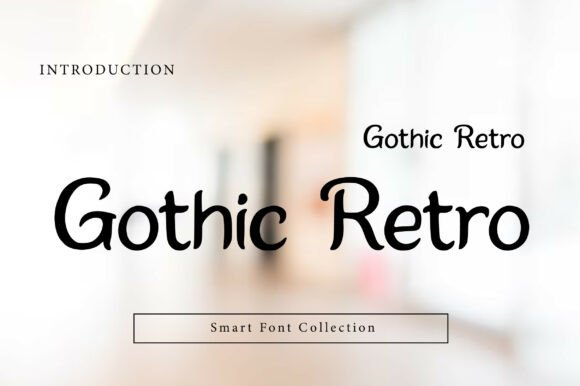
I was staring at a blank hero section on a new boutique lifestyle site, trying to bridge the gap between a modern, clean UI and a brand that needed more soul. The layout was functional, but it felt sterile. That’s when I pulled up Gothic Retro, a bold retro-gothic display font that blends classic Gothic curves with a soft vintage warmth. It wasn’t just about picking a pretty typeface; it was about solving a visual hierarchy problem. By introducing this specific Display font, I immediately anchored the page with personality without sacrificing the structural integrity required for a high-converting landing page.
Why Gothic Retro Works for Modern Web Headers
When evaluating Fonts for digital projects, we often worry that decorative styles will clutter the interface or slow down readability. However, Gothic Retro defies the typical "noisy" aesthetic of heavy blackletter or gothic scripts. Its chunky shapes provide substantial visual weight, which is crucial for capturing attention in the first three seconds of a user’s visit. The high contrast between its thick strokes and thin connections creates a dynamic rhythm that guides the eye naturally across the headline. In my recent project for a creative portfolio, using this font for the main H1 allowed the background imagery to breathe while still commanding focus. The slightly whimsical terminals add a touch of approachability, making the brand feel established yet playful—a perfect balance for online stores or personal brands looking to stand out in a saturated market.
Gothic Retro for Boutique Online Store Branding
For e-commerce clients, especially those selling artisanal goods, vintage-inspired apparel, or curated collectibles, the typography must communicate quality before the customer even reads the product description. Gothic Retro serves as an excellent choice for logo design elements and promotional banners because it evokes a sense of heritage and craftsmanship. When I applied it to a header banner for a small business website selling handmade ceramics, the font’s vintage warmth resonated with the target audience’s desire for authenticity. Unlike standard serif fonts that can feel corporate, or sans serifs that can feel too tech-focused, this Display font occupies a unique niche. It signals that the products are carefully made and timeless. Placing these words over textured backgrounds or muted color palettes enhances the tactile feel of the design, creating an immersive shopping experience that encourages longer session times.
Gothic Retro for Course Sales Pages and Digital Products
As a digital product creator, I frequently build sales pages for online courses and coaching programs. These pages require a strong emotional hook to convert visitors into students. A generic font might inform, but a character-rich typeface like Gothic Retro inspires. I used this font for the primary call-to-action sections and subheadings on a course launch page. The bold nature of the letters conveys confidence and authority, which helps establish trust with potential buyers. Because the font has a distinct personality, it helps segment the content visually, allowing users to scan the page quickly. Instead of reading every word, visitors can catch the key phrases set in Gothic Retro, understanding the value proposition instantly. This strategic use of a premium font reduces cognitive load and keeps the user engaged with the narrative flow of the sales pitch.
Gothic Retro for Creative Portfolio Showcases
Creative professionals need their own websites to reflect their artistic sensibility. For graphic designers, illustrators, or photographers, the typography should act as a frame for the work, not a distraction. Gothic Retro offers a sophisticated backdrop for portfolios because its classic curves nod to traditional art history while remaining accessible. I tested this font on a photographer’s homepage, using it for section titles like "Projects" and "About." The result was a polished online brand experience that felt editorial and high-end. The font’s ability to handle short phrases effectively means it doesn’t overwhelm the grid system. It allows the images to remain the stars while providing a cohesive typographic voice that ties the disparate pages together. This consistency is vital for maintaining professional credibility in the eyes of prospective clients.
Gothic Retro for Campaign Landing Pages and Social Media Graphics
In the fast-paced world of digital marketing, campaign landing pages need to grab attention instantly. Whether promoting a seasonal sale, a webinar, or a new product drop, the headline needs to pop. Gothic Retro’s high contrast makes it highly legible even at smaller sizes on social media graphics or email headers. I incorporated this font into a series of Instagram ads for a local coaching workshop, pairing it with a minimalist sans serif font for the body copy. The juxtaposition created a striking visual identity that stood out in crowded feeds. The font’s whimsical terminals prevented the message from feeling too rigid, aligning with the friendly, supportive tone of the coaching service. For web designers building quick-turnaround campaigns, having access to such a versatile Display font saves time and ensures the final assets look custom-made rather than template-driven.
Readability and Font Pairing Strategies for Web Design
While Gothic Retro is stunning for headlines, practical web design requires careful consideration of readability across devices. It is best suited for hero titles, section headings, buttons, short phrases, logo text, and decorative accents. Using it for long paragraphs would hinder scanning behavior and frustrate users on mobile screens. To maintain a polished online brand experience, I recommend pairing Gothic Retro with a simple sans serif font for body copy. The neutral lines of a sans serif font provide a calm counterpoint to the ornate details of the gothic style, ensuring that the information remains easy to digest. For a more editorial digital identity, a clean slab serif can also work well, though it requires more spacing adjustments. When designing responsive layouts, always check how the font scales. Gothic Retro holds its shape well on desktops, but on smaller screens, you may need to reduce the letter-spacing slightly to prevent the characters from feeling disjointed. Testing these pairings in real-world scenarios ensures that the visual hierarchy supports, rather than disrupts, the user journey.
Licensing and Technical Implementation Considerations
Before integrating Gothic Retro into any client project or personal website, it is essential to review the commercial font licensing terms. Ensure the license covers web usage, including embedding in HTML/CSS or using via @font-face rules. Check for included styles, alternates, and multilingual support if your audience is global. Proper file formats, such as WOFF2, help ensure fast-loading visual content without compromising quality. By treating typography as a core component of your design assets, you elevate the entire project. Gothic Retro is more than just a decorative element; it is a strategic tool that can define your brand’s voice. Whether you are redesigning a blog, launching a startup, or refreshing a digital brand kit, choosing the right Display font can transform a good website into a memorable digital experience.