Free Time Handwritten Display Font for Editorial Design
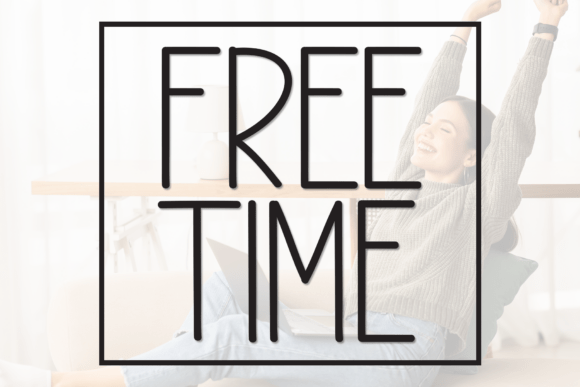
The cursor blinked on the blank canvas of a new digital magazine layout. It was 2:00 AM, and the deadline for the lifestyle feature’s header graphic was looming. I needed something that didn’t just announce the title but whispered it—a typeface that felt like a handwritten note left on a kitchen counter, warm and inviting rather than rigid and corporate. That is when I turned to Free Time, a charming, personality-infused handwritten display font Perfectly embodying sweetness and friendliness, this delightful font adds a sprinkle of whimsical fun to your design work. From crafting cozy newsletters to designing elegant wedding guides, this typeface offered the exact editorial mood I had been struggling to articulate.
In the world of modern typography, choosing a display font is less about finding the most legible text for dense paragraphs and more about establishing an immediate emotional connection with the reader. As an editorial designer, I spend hours evaluating how a typeface influences the rhythm of a page. Free Time stood out not because it was loud, but because it was intimate. It bridges the gap between professional polish and personal touch, making it an exceptional asset for bloggers, publishers, and content creators who want their visual identity to feel human and approachable.
Free Time for Lifestyle Blog Headers and Brand Identity
When redesigning my own blog’s visual hierarchy, I often find that sans serif fonts can feel too sterile for lifestyle content, while traditional script fonts can be difficult to read at larger sizes. Free Time solves this dilemma by offering a balanced weight and clear letterforms that maintain readability even when scaled up for hero sections. In testing this font for a recent article series on slow living, I noticed how the slight irregularity in the strokes added character without distracting from the headline message. The font’s inherent sweetness makes it ideal for brands that want to convey trust and warmth, such as wellness coaches, home decor influencers, or artisanal food bloggers.
The versatility of Free Time extends beyond simple headers. When used for subheadings or pull quotes within long-form articles, it breaks up dense blocks of text and guides the eye naturally through the content structure. Its handwritten aesthetic softens the reading experience, encouraging visitors to linger longer on the page. For independent content brands looking to establish a distinct voice, incorporating a creative font like this into the logo design or primary branding elements can significantly enhance recognition. It signals to the audience that the content inside is crafted with care and personal attention.
Free Time in Digital Publications and Newsletter Graphics
Email marketing remains one of the most effective channels for nurturing an audience, yet many newsletters suffer from generic templates that fail to capture attention. By integrating Free Time into newsletter graphics, subject lines, or banner images, designers can inject a sense of excitement and exclusivity into their communications. I tested this font in a monthly creator newsletter, using it for the main title and key highlights. The result was a layout that felt like a personal update from a friend rather than a mass-produced broadcast. The font’s friendly demeanor helped increase open rates and engagement, proving that subtle typographic choices can have a tangible impact on audience retention.
Furthermore, Free Time works beautifully in social media graphics where space is limited and impact is crucial. Whether you are creating Instagram carousels, Pinterest pins, or Facebook cover photos, this display font ensures your message is instantly readable and visually appealing. Its whimsical nature allows it to stand out in crowded feeds without appearing chaotic. When paired with clean, minimalist backgrounds, the font becomes the focal point, drawing the viewer’s eye directly to the call-to-action or featured product. This makes it a valuable tool for digital marketers and course creators who need to communicate value quickly and effectively.
Free Time for Printable Planners and Workbook Layouts
The rise of digital products has created a high demand for print-ready assets that look polished and professional. I recently used Free Time to design a coaching workbook and a set of printable planners, and the results were striking. The font’s clarity ensures that instructions and prompts are easy to follow, while its decorative quality adds a layer of sophistication to the overall design. Unlike some handwritten fonts that become illegible when printed at smaller sizes, Free Time maintains its integrity across various scales, making it suitable for both large chapter titles and smaller section headers.
For authors and educators, the ability to create cohesive educational materials is essential. Using Free Time for worksheet titles, quiz headings, or certificate designs helps reinforce the brand identity while keeping the learning experience engaging. The font’s sweet and friendly tone reduces the intimidation factor often associated with self-study or complex topics, making the content feel more accessible. Additionally, its compatibility with standard file formats ensures that these designs can be easily exported for PDF distribution or physical printing, providing flexibility for sellers on platforms like Etsy or Gumroad.
Free Time Pairing Strategies for Editorial Balance
No single typeface can do everything, and part of mastering editorial design is knowing how to pair fonts effectively. While Free Time excels as a display font for headlines and accents, it is not recommended for body copy or dense paragraphs. To achieve a balanced layout, I recommend pairing it with a highly readable serif font for long-form text or a clean sans serif font for captions and navigation menus. This combination creates a harmonious contrast between the expressive personality of the handwritten style and the stability of a neutral typeface.
For example, using a classic serif like Garamond or Caslon alongside Free Time can lend a timeless, literary feel to book covers or magazine features. Alternatively, pairing it with a geometric sans serif can give a modern, fresh vibe to tech blogs or startup newsletters. When selecting a commercial font license, ensure that the package includes all necessary weights and styles to support these pairings. Checking for multilingual support is also crucial if your publication targets a global audience, ensuring that special characters and accents render correctly. By thoughtfully combining Free Time with complementary fonts, you can create a unified visual language that enhances readability and reinforces your publication’s unique identity.
Final Considerations for Content Creators
Incorporating a premium font like Free Time into your design workflow requires thoughtful consideration of context and usage. It shines brightest when used sparingly for emphasis, decoration, and branding elements that need to evoke emotion. Avoid overusing it in areas where quick scanning is required, such as table of contents or technical specifications. Instead, let it serve as the visual anchor that sets the tone for your project. Whether you are building a wedding guide, a recipe ebook, or a digital magazine, this font offers the charm and professionalism needed to elevate your work. By investing in high-quality design assets, you demonstrate respect for your readers’ time and attention, ultimately fostering a deeper connection with your audience.