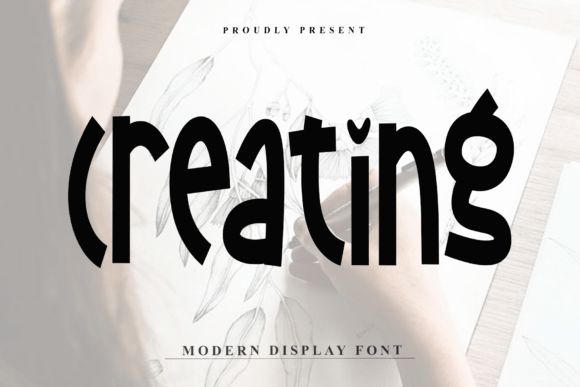
Creating: A Stylish Handwritten Font for Editorial Design
I remember the exact moment I realized my blog’s visual identity needed a shift. It wasn’t about changing the color palette or the photography style; it was about the personality of the text itself. For months, I had been using safe, neutral sans serifs for everything from headers to pull quotes, but the content felt flat, lacking the organic warmth that my readers connected with in my newsletters. I needed something with character—something that felt human, approachable, and distinctly Creating. That search led me to discover how a well-chosen display font can transform not just a design, but the entire mood of a publication.
Why Creating Works as a Display Font for Modern Brands
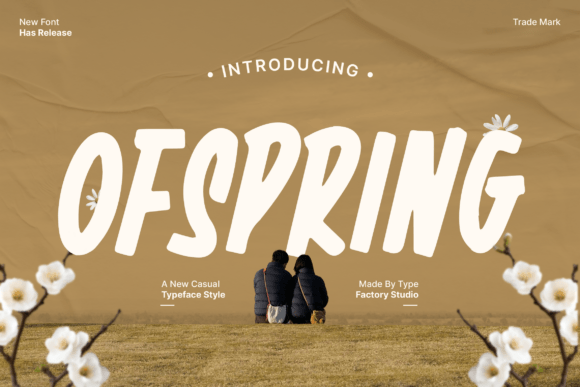
When evaluating Creating, it is essential to understand its classification as a stylish handwritten font that blends organic charm with a strong typographic presence. Unlike rigid geometric scripts or overly decorative calligraphy, this typeface offers thick, solid strokes that command attention without overwhelming the eye. The distinct “bouncy” rhythm inherent in the letterforms gives it a friendly and approachable energy, making it an excellent choice for brands that want to appear professional yet accessible. In the world of fonts, finding a balance between legibility and artistic flair is difficult, but Creating achieves this by maintaining structural integrity even at larger sizes.
This font excels in editorial contexts where visual hierarchy is paramount. Because of its bold weight and unique texture, it naturally draws the reader’s gaze, serving as an effective tool for guiding attention through a layout. Whether you are designing a digital magazine cover or a podcast episode graphic, the presence of Creating anchors the composition. It does not compete with imagery; rather, it complements it by adding a layer of tactile authenticity. For bloggers and publishers looking to establish a consistent brand voice, adopting a font with such clear personality helps differentiate your content in a crowded digital landscape.
Using Creating for Lifestyle Blogs and Digital Magazines
In my own workflow, I tested Creating extensively on a lifestyle blog redesign project. The goal was to soften the transition between technical advice and personal storytelling. I used the font primarily for article titles, section headers, and featured pull quotes. The result was immediate: the posts felt less like articles and more like conversations. The organic curves of the letters mirrored the natural, unscripted nature of lifestyle content, creating a cohesive experience for the reader.
For digital magazines and online publications, readability on screens is a critical concern. While Creating is expressive, its solid strokes ensure that it remains legible even on smaller mobile devices when used appropriately. I found that setting it in all caps for short headlines provided a striking contrast against body text, while using sentence case maintained a softer, more inviting tone for subheaders. This versatility allows editors to maintain a unified aesthetic across different types of content, from quick news updates to long-form features. By integrating this stylish handwritten font into the core of the site’s typography system, the publication gained a distinct identity that resonated with its audience.
Enhancing Newsletter Graphics with Handwritten Accents
Newsletters often suffer from visual fatigue because they rely heavily on plain text. To combat this, I incorporated Creating into the header graphics and key call-to-action buttons of my weekly email. The font’s bouncy rhythm added a sense of movement and excitement, encouraging higher open rates and click-throughs. Because the font has a friendly and approachable demeanor, it helped humanize the sender, making the communication feel more personal and less corporate. When paired with clean, minimalist background elements, the handwritten style stood out beautifully, proving that display fonts can be both decorative and functional in marketing communications.
Best Practices for Using Creating in Printables and Workbooks
The rise of digital products has created a new demand for fonts that look great in both digital and print formats. Creating shines in this area, particularly for creators selling printable planners, coaching workbooks, and educational guides. The thick, solid strokes render sharply in PDF exports, ensuring that printed materials look crisp and professional. I used the font to design chapter openers and instructional steps in a coaching workbook, where clarity and engagement were equally important.
However, there are limitations to consider. As a display font, Creating is not suitable for body copy or dense paragraphs. Its expressive nature can become distracting if used for extended reading, leading to eye strain and reduced comprehension. Instead, reserve it for titles, subtitles, and decorative accents. For body text, pair it with a highly readable serif font for traditional layouts or a clean sans serif font for modern, minimal designs. This combination leverages the strengths of each typeface: the emotional appeal of Creating and the functional reliability of a standard reading font. Proper font pairing ensures that the document remains visually interesting without sacrificing usability.
Supporting Readability and Visual Hierarchy
Effective editorial design relies on clear visual hierarchy, and Creating plays a crucial role in establishing this structure. By using the font for primary headings and secondary elements like captions or tags, designers can create a logical flow that guides the reader’s eye through the content. The distinct rhythm of the letters helps break up large blocks of text, providing visual relief and encouraging continued reading. In layouts for recipe ebooks or wedding guides, where information needs to be scanned quickly, this hierarchical support is invaluable. The font’s ability to convey mood while maintaining structural clarity makes it a powerful tool for content creators who want their designs to feel polished and intentional.
Technical Considerations and Licensing for Commercial Use
Before integrating Creating into any commercial project, it is vital to review the specific licensing terms included with the font. Most premium fonts come with guidelines regarding usage in digital downloads, client publications, and physical merchandise. Ensure that the license covers your intended use cases, whether you are embedding the font in a course PDF, using it in social media graphics, or printing it on packaging. Additionally, check for available styles, alternates, and ligatures, as these features can enhance the versatility of the font in complex layouts.
For designers working with multilingual audiences, verifying language support is also necessary. While Creating may have a specific aesthetic rooted in English handwriting, some fonts offer extended character sets that include accented characters for other languages. If your content requires international reach, confirm that the font supports the necessary glyphs. Finally, always test the font in various file formats and screen resolutions to ensure consistent performance. By taking these practical steps, you can confidently use Creating as a reliable asset in your design toolkit, knowing that it meets both creative and legal standards for professional publishing.