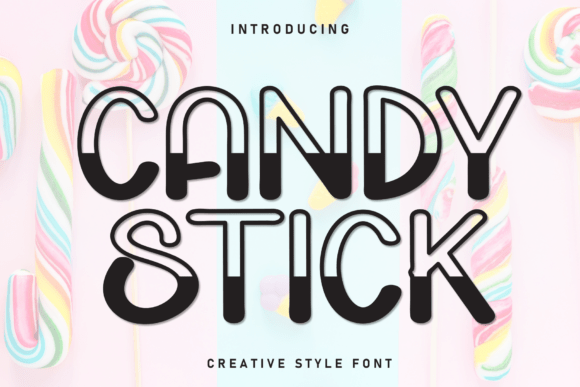
Candy Stick: A Handwritten Display Font for Editorial Design
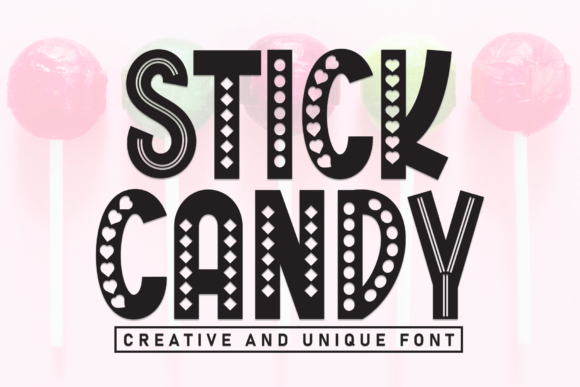
When curating Fonts that elevate a publication’s visual identity, Candy Stick stands out as a versatile display typeface designed to inject personality into structured layouts. This charming, handwritten display font exudes warmth and friendliness, making it an ideal asset for editorial designers seeking to soften rigid grids or add a human touch to digital content. Its delightful and playful nature makes it the perfect choice for crafting wedding invitations, greeting cards, and lifestyle branding where emotional connection drives engagement.
Candy Stick for Wedding Invitations and Elegant Branding
The primary strength of Candy Stick lies in its ability to convey intimacy and celebration through typography. As a handwritten font, it mimics the organic flow of calligraphy without sacrificing legibility, which is crucial for high-stakes design projects like wedding suites. For editorial designers working on bridal magazines or niche blogs, this display font serves as a powerful tool for cover headlines and pull quotes that need to feel personal yet polished. The script’s natural rhythm allows it to pair beautifully with traditional serif fonts, creating a balanced hierarchy where the body text remains readable while the headings capture attention with their decorative flair.
Using Candy Stick for elegant branding extends beyond paper goods into digital spaces. Bloggers and content creators can utilize this creative font for section headers in lifestyle articles, giving the page a curated, magazine-like feel. The font’s warm character helps establish a consistent tone across newsletters and lead magnets, ensuring that even simple text blocks feel inviting. By integrating this modern typography style, publishers can differentiate their brand identity from competitors who rely solely on standard sans-serif or geometric typefaces.
Candy Stick in Ebook Titles and Printable Guides
In the realm of digital products, first impressions are critical. Candy Stick offers an excellent solution for ebook covers, chapter openers, and printable worksheets where visual appeal directly impacts perceived value. When designing a guide on topics such as home organization, creative coaching, or culinary arts, using this script font for titles adds a layer of approachability that encourages readers to engage with the material. Unlike more formal typefaces, the playful nature of Candy Stick suggests that the content within is accessible and enjoyable, not just informative.
For independent authors and course creators, leveraging this commercial font ensures that their design assets look professional and cohesive. Whether you are creating a PDF workbook for a webinar or a downloadable planner, Candy Stick provides the visual anchor needed to make key information stand out. The font’s distinct character helps in establishing a memorable brand identity, allowing creators to build trust with their audience through consistent and thoughtful typographic choices. It is particularly effective when used sparingly as an accent typeface, drawing the eye to call-to-action buttons or highlighted tips within a larger layout.
Candy Stick for Newsletter Graphics and Social Media
Digital marketing relies heavily on quick visual communication, and Candy Stick is well-suited for social media graphics and email newsletter headers. In an inbox crowded with generic templates, a headline set in this display font can break through the noise by offering a sense of handcrafted care. Publishers and bloggers can use Candy Stick to create quote graphics, announcement banners, or promotional images that align with a friendly and authentic brand voice. The font’s readability at various sizes ensures that it performs well on mobile devices, where screen real estate is limited but impact is paramount.
When incorporating Candy Stick into web design or social media campaigns, it is important to maintain a balance between decoration and function. While the font is delightful and playful, it should be paired with a clean sans serif font for body copy or navigation elements to ensure overall usability. This combination allows the display font to shine in headlines and logos while keeping the reading experience smooth and fatigue-free. By treating Candy Stick as a specialized tool rather than a general-purpose text font, designers can maximize its effectiveness in capturing reader attention and driving engagement across platforms.
Candy Stick Pairing Strategies for Editorial Layouts
Effective editorial design depends on harmonious font pairing, and Candy Stick pairs exceptionally well with neutral, highly readable typefaces. For long-form articles or magazine spreads, combining Candy Stick with a classic serif font creates a sophisticated contrast that honors tradition while introducing modern playfulness. Alternatively, pairing it with a minimalist sans serif font yields a contemporary look suitable for tech blogs, startup newsletters, or modern lifestyle publications. The key is to let Candy Stick handle the emotional heavy lifting in titles and accents, while the supporting font maintains clarity and structure.
Designers should also consider the technical aspects of the font file, such as available weights, alternates, and ligatures. Checking these features ensures that the typeface behaves predictably across different software and export formats, whether for print or digital distribution. Proper kerning and spacing adjustments may be necessary when setting large headlines to preserve the font’s intended aesthetic. By paying attention to these details, publishers can achieve a polished result that reflects professionalism and care in every element of their content.
Candy Stick Licensing and Commercial Use Considerations
For professionals producing content for sale or broad distribution, understanding licensing is essential. Candy Stick is available as a premium font that typically includes commercial usage rights, allowing designers to embed it in ebooks, sell printed materials, and use it in client projects. However, it is always prudent to review the specific license agreement provided by the foundry. Ensuring compliance protects your publication from legal issues and supports the continued development of high-quality design assets. Investing in proper licensing guarantees that your editorial work remains legally sound while benefiting from the unique character that Candy Stick brings to your typographic palette.