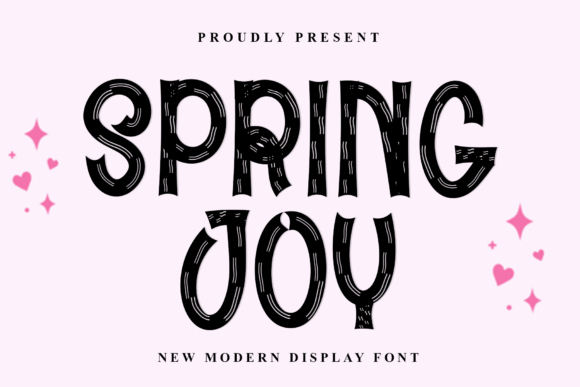
Spring Joy Typeface: A Modern Display Font for Digital Branding
I was staring at a blank hero section on a new landing page, trying to make the headline pop without overwhelming the user. The layout was clean, minimal, and slightly sterile. I needed something that could inject energy immediately—something bold and rhythmic. That’s when I pulled up Spring Joy. It is a bold and rhythmic display font that captures an energetic, contemporary aesthetic. Labeled as a new modern display font, it features vertically elongated letterforms characterized by a distinct verticality that commands attention. In this article, I’ll walk you through how I tested this typeface in a real-world web design scenario, from mobile responsiveness to brand cohesion.
Why Spring Joy Works for Hero Sections and Landing Pages
When evaluating Spring Joy, the first thing I noticed was its immediate visual impact. As a display font, it is designed to be seen, not just read. Its vertically elongated structure creates a sense of height and elegance, which is perfect for hero sections where you want to establish authority and style instantly. Unlike standard sans-serif fonts that can feel generic, this font adds personality without clutter. I used it for the main headline on a boutique coaching website project, and it immediately set a tone of modern sophistication. The rhythmic nature of the letters guides the eye downward, creating a natural flow into the subheading and call-to-action buttons below.
The vertical stretch of the characters also helps in breaking up wide layouts. On desktop screens, where horizontal space is abundant, these tall letterforms create a striking columnar effect that feels intentional and curated. However, the key challenge with any decorative typeface is ensuring it doesn’t become illegible. In my testing, I found that keeping the line height generous prevented the tall ascenders and descenders from colliding, maintaining a breathable and professional look.
Readability Checks on Mobile Devices
A critical part of my workflow involves checking how Spring Joy performs on smaller screens. I scaled the font down to see if the vertical details would get lost or if the bold weight would turn into a muddy blob. Surprisingly, the geometric precision of the letterforms held up well even at smaller sizes, provided I didn’t reduce the size too drastically. For mobile views, I reserved Spring Joy for short, punchy headlines rather than long paragraphs. This approach preserves the font’s unique character while ensuring that users can scan the content quickly. If you are building a responsive site, remember that display fonts like this work best as accents—use them for titles, section headers, and key phrases, but rely on a neutral sans serif for body copy.
Spring Joy for Boutique Online Stores and E-Commerce Banners
One of the most compelling use cases I discovered was for e-commerce banners. I applied Spring Joy to a promotional banner for a small business selling handmade ceramics. The product photography was soft and earthy, but the text needed to stand out against a light background. The bold weight of the font provided enough contrast to ensure readability, while the modern aesthetic aligned perfectly with the brand’s contemporary vibe. Using this display font helped elevate the perceived value of the products, making the store feel more premium and curated.
In e-commerce, visual hierarchy is everything. By using Spring Joy for sale announcements or new collection headers, I was able to draw attention to high-priority information without using aggressive colors or flashing animations. The font’s inherent rhythm created a pleasing pattern that kept users engaged as they scrolled through the category pages. It’s important to note that because this is a specialized typeface, it works best in moderation. I limited its use to three or four instances per page to maintain impact and avoid visual fatigue.
Color and Background Considerations
Testing Spring Joy across different color schemes revealed some interesting insights. On dark backgrounds, the white or light-colored versions of the font looked sharp and crisp, offering excellent legibility. However, on busy image overlays, I had to add a subtle drop shadow or a semi-transparent backing box to ensure the text remained readable. The vertical elongation of the letters means that any distortion or compression can affect the balance of the word. Always preview your text over actual images or videos before finalizing the design. This font shines when given room to breathe, so avoid crowding it with other heavy graphical elements.
Spring Joy for Creative Portfolios and Personal Brands
For creative professionals, establishing a unique digital identity is crucial. I experimented with Spring Joy on a personal portfolio homepage for a graphic designer. The goal was to showcase creativity without sacrificing professionalism. The font’s contemporary aesthetic allowed the designer to present their work as cutting-edge and relevant. I used it for the nameplate and section dividers, creating a cohesive visual language throughout the site. The rhythmic quality of the letters added a dynamic element to the static layout, making the experience feel more interactive and engaging.
This font is particularly effective for brands that want to communicate energy and innovation. Whether you are a marketer, a course creator, or a digital artist, Spring Joy can help your typography reflect your brand’s personality. It moves away from the safe, corporate look of standard web fonts and introduces a touch of editorial flair. When paired correctly, it can transform a simple webpage into a polished, magazine-style digital experience.
Font Pairing Strategies
To maximize the effectiveness of Spring Joy, pairing it with a complementary typeface is essential. I recommended pairing it with a clean, neutral sans serif font like Inter or Helvetica for body text. This contrast allows the display font to take center stage while ensuring that the informational content remains easy to read. The simplicity of the sans serif balances the complexity and verticality of Spring Joy, creating a harmonious typographic system. Avoid pairing it with other decorative or script fonts, as this can lead to a chaotic and unprofessional appearance. Stick to one decorative font per page to maintain clarity and focus.
Technical Details and Licensing for Web Projects
Before implementing Spring Joy in a live project, it is vital to check the technical specifications. Ensure that the font files are optimized for web delivery, typically in WOFF2 format, to ensure fast loading times. Since this is a display font, verify that it includes all necessary weights and styles for your design needs. Some projects may require italic variants or alternate glyphs to add extra flair to specific words. Additionally, confirm the licensing terms, especially if you are using the font for commercial client work or online stores. Most modern fonts come with clear guidelines on web embedding and print usage, so always review the license agreement to avoid any legal issues.
In conclusion, Spring Joy is a versatile and impactful choice for designers looking to add a modern, energetic touch to their digital projects. Its bold, rhythmic, and vertically elongated characteristics make it ideal for headlines, banners, and branding elements. By integrating this font thoughtfully into your layout, you can enhance readability, improve visual hierarchy, and create a more memorable brand experience for your users. Whether you are designing a landing page, an online store, or a personal portfolio, Spring Joy offers the distinctive style needed to stand out in a crowded digital landscape.