Finn Typeface: Bold Distressed Display Font for Authentic Branding
I was staring at a blank Figma board, trying to crack the visual code for a new artisanal coffee roaster. The brief was simple but tricky: they wanted warmth, grit, and authenticity, without looking like every other trendy café in town. I had tried sleek sans serifs that felt too corporate, and classic serifs that felt too traditional. Then I dropped Finn onto the canvas. It immediately anchored the design. This isn’t just another decorative typeface; it’s a tool that brings a handcrafted, gritty soul to your work. If you are looking for a bold and expressive display font with a unique distressed texture, Finn might be the missing piece in your brand identity toolkit.
Why Finn Is Ideal for Handcrafted Brand Identities
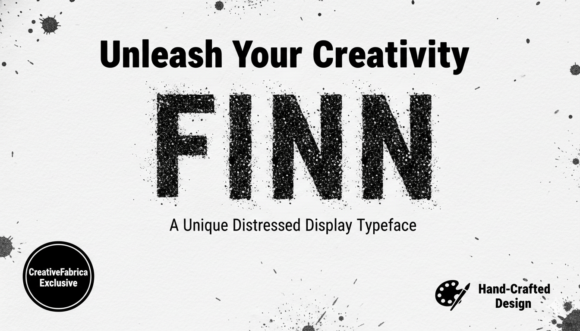
When designers talk about finding the right Fonts for a project, we often search for personality. Finn delivers exactly that. Inspired by hand-painted signs and gritty aesthetics, FINN brings an authentic, handcrafted feel to your designs. This is crucial for brands that want to communicate heritage, craftsmanship, or raw creativity. In my recent test with a boutique skincare label, using Finn as the primary logo mark instantly elevated the packaging from generic to premium. The distressed texture adds character without sacrificing legibility, which is a rare balance in display typography.
The visual weight of Finn commands attention. It works exceptionally well when you need to establish immediate visual hierarchy. Unlike delicate scripts that can get lost on small screens, Finn holds its ground. For entrepreneurs and creative studios building a brand identity from scratch, starting with a strong display font like this sets a tone of confidence. It tells the audience that the brand has substance. Whether you are designing for a local restaurant or a handmade shop, Finn provides that "real" feeling that consumers crave today.
Finn for Packaging Design and Product Labels
Packaging is where typography meets tactile experience. I recently tested Finn on various mockups, including matte black boxes and kraft paper labels. The distressed edges of the letters interact beautifully with textured materials, mimicking the look of screen-printed ink. This makes Finn perfect for product labels, stickers, and box branding. When you use a creative font like this, you are not just labeling a product; you are telling a story about its origin.
For small business owners and marketers, the appeal here is clear: Finn helps your physical products stand out on crowded shelves. The bold nature of the typeface ensures readability even from a distance, while the subtle imperfections add a layer of intrigue. It pairs surprisingly well with minimalist photography, allowing the text to become the hero of the image. If you are launching a line of candles, craft beers, or organic soaps, Finn offers a versatile solution that bridges the gap between rustic charm and modern design sensibilities.
Using Finn in Social Media Graphics and Digital Headers
Digital spaces are noisy. To cut through the clutter, you need typefaces that pop. I integrated Finn into a series of Instagram posts and website headers for a creative studio client. The result was striking. Because Finn is a Display font, it is designed to be read at large sizes, making it ideal for social media graphics, flyers, and editorial headers. However, it requires strategic placement. I found that using Finn for short headlines or campaign slogans, paired with a clean sans serif font for body copy, created a perfect balance.
This combination leverages the best of both worlds: the emotional pull of Finn’s gritty aesthetic and the functional clarity of a neutral supporting typeface. For content creators and bloggers, this pairing enhances readability while maintaining a distinct brand voice. The distressed texture adds visual interest to flat digital backgrounds, preventing designs from looking sterile. When used correctly, Finn transforms standard social media templates into engaging visual stories that invite clicks and shares.
Font Pairing Strategies with Finn for Modern Typography
One of the biggest challenges with expressive fonts is finding their match. You don’t want a clash of styles that feels chaotic. Based on my testing, Finn pairs elegantly with modern typography styles that offer contrast. A clean sans serif font is the safest and most effective choice for body text. The smooth lines of a geometric sans-serif complement the rough edges of Finn, creating a sophisticated tension. Alternatively, pairing Finn with a classic serif font can evoke a sense of timeless authority, suitable for editorial design or high-end fashion brands.
Avoid pairing Finn with other handwritten or script fonts unless you are extremely careful. The distressed texture can compete with the organic flow of handwriting, leading to a muddy visual effect. Instead, let Finn be the star. Use it for logos, main titles, and key messaging. By keeping the supporting typography understated, you ensure that the brand remains professional and recognizable. This approach aligns with current trends in graphic design, where bold statement types are balanced with ample white space and minimal distraction.
Technical Considerations for Commercial Font Licensing
Before integrating Finn into any client project, it is essential to review the technical specifications. Most premium fonts come with detailed documentation regarding included styles, alternates, ligatures, and weights. While Finn is primarily a display font, checking for multilingual support is vital if your brand operates internationally. Ensuring the file formats (such as OTF, TTF, or WOFF) are compatible with your web design workflow will save time during development.
Commercial font licensing varies, so always verify the usage rights. Whether you are creating assets for merchandise, digital templates, or printed marketing materials, understanding the license protects you and your clients. Investing in a high-quality, properly licensed font like Finn pays off in the longevity and professionalism of your design assets. It allows you to scale your brand across different mediums without worrying about legal issues or inconsistent rendering. For freelancers and agencies, having access to versatile, robust typefaces is part of delivering a complete service.
Testing Finn Before Finalizing Your Brand System
Never commit to a font without extensive testing. I recommend creating a comprehensive brand board that includes Finn in various contexts: dark mode, light mode, small sizes, and large displays. Check how the distressed texture behaves when scaled down. Does it remain legible? Does it lose its character? In my experience, Finn performs best as a headline font or logo font, where its full weight can be appreciated. For longer paragraphs, rely on a secondary typeface.
By treating Finn as a core component of your design assets, you build a cohesive visual language. It adds a layer of authenticity that resonates with audiences tired of polished, corporate perfection. Whether you are a hobbyist crafting personal projects or a seasoned designer building a global brand, Finn offers the expressive power needed to make a lasting impression. Start with the mockup, refine the hierarchy, and let the bold, handcrafted spirit of Finn guide your creative direction.