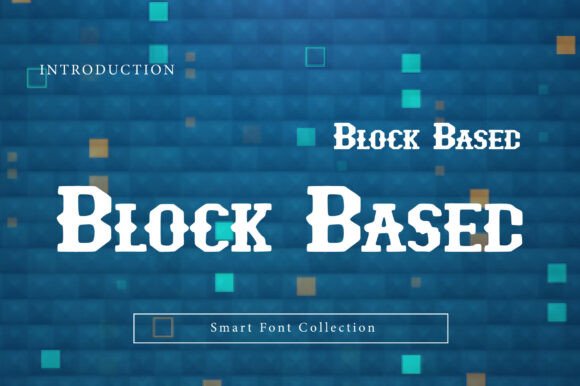
Block Based Typeface Review for Modern Web Design
I was staring at a blank Figma file, trying to break the monotony of yet another minimalist landing page, when I decided to test-drive Block Based. As a web designer who spends half my day tweaking kerning and the other half worrying about load times, I’m usually skeptical of "rugged" display fonts. They often feel like they belong on a printed poster from 1995 rather than a crisp, responsive website. But this time, I needed something with actual weight—something that could anchor a hero section without looking heavy or clunky. What I found in Block Based was a strong, rugged block-style display font with bold slabs, rough edges, and a solid industrial character that actually translated beautifully to the screen.
Why Block Based Works for Industrial Brand Identity
When you first look at Block Based, it doesn’t whisper; it announces itself. Its sturdy construction and slightly distressed feel make it ideal for posters, but more importantly for us digital creators, it brings an immediate sense of authenticity to online brands. In a sea of clean, sterile sans-serifs, a typeface with texture can signal that a brand is hands-on, durable, and real. I used this font for a boutique hardware store’s campaign page, and the contrast between the raw, industrial vibe of the headings and the clean white background created an instant visual hierarchy that guided the user’s eye exactly where I wanted it.
The font falls squarely into the Display category, which means it is designed to be read at large sizes. It is not intended for body copy, and trying to force it into paragraphs would be a mistake. Instead, think of it as your primary headline tool. The rough edges add personality without sacrificing legibility, provided you give it enough breathing room. When paired with ample whitespace, the distressed texture becomes a feature, not a bug. It suggests craftsmanship and durability, qualities that resonate deeply with audiences looking for quality tools, outdoor gear, or artisanal products.
Testing Block Based Readability on Mobile Devices
One of the biggest challenges in modern web design is ensuring that decorative fonts don’t fall apart on smaller screens. I tested Block Based across various viewports, from wide desktop monitors down to iPhone SE dimensions. The good news is that because the letters are block-based with uniform thickness, they maintain their structural integrity even when scaled down. However, readability requires strategic sizing. On mobile, I reduced the font size significantly and increased the line height to prevent the rough edges from bleeding into each other visually.
For buttons and call-to-action areas, I avoided using Block Based for long text. Short phrases like "Shop Now" or "Get Started" worked perfectly, leveraging the font’s bold slabs to create clickable targets that felt substantial. For longer text, such as product descriptions or blog excerpts, I switched to a simple, neutral sans-serif font. This pairing strategy is crucial: let Block Based handle the emotional impact and brand voice in the headlines, while a clean sans-serif handles the information density. This division of labor ensures that users can scan content quickly without their eyes straining against textured glyphs.
Pairing Strategies for Digital Layouts
Choosing the right companion font is just as important as selecting the display font itself. Since Block Based has such a distinct industrial character, it pairs exceptionally well with geometric sans-serifs or humanist sans-serifs that offer a modern counterpoint. I experimented with pairing it with a lightweight Helvetica Neue for body text, which created a sophisticated editorial feel suitable for a high-end portfolio site. Alternatively, pairing it with a monospaced font added a tech-forward, utilitarian aesthetic that worked wonders for a SaaS product launch page.
The key is balance. Because Block Based is visually loud, your supporting typography should be quiet. Avoid pairing it with other serif fonts or script fonts, as the competition for attention will result in a chaotic layout. Stick to fonts that share similar x-heights or proportions to ensure harmony. By keeping the body copy clean and unobtrusive, you allow the rugged charm of Block Based to shine without overwhelming the user experience. This approach not only improves aesthetics but also enhances accessibility, as clear contrast between heading and body styles helps users navigate complex pages.
Using Block Based for Campaign Landing Pages
I recently applied Block Based to a promotional landing page for a limited-edition course. The goal was to create urgency and excitement. The font’s bold slabs and distressed texture naturally lent themselves to a sense of immediacy and raw energy. I placed the main headline over a dark, textured background image, using white text to create stark contrast. The slight distress in the font mimicked the grain of the background, creating a cohesive visual identity that felt intentional and polished.
This use case highlights why Block Based is so effective for marketing materials. Whether you are designing social media graphics, email headers, or ad banners, the font’s strong presence grabs attention in crowded feeds. It communicates strength and reliability, which can subtly influence a visitor’s perception of your product or service. When used sparingly and strategically, it elevates a standard landing page into a memorable brand experience. Remember to check the included styles and weights before implementation; having access to multiple variations allows you to create dynamic layouts with varying levels of emphasis.
Technical Considerations for Web Implementation
Before dropping Block Based into a production environment, there are technical details to consider. Ensure you have the correct file formats, such as WOFF2 for optimal web performance. Check the licensing terms carefully, especially if you are using the font for client projects or commercial products. Some display fonts have restrictions on the number of page views or require separate licenses for print versus digital use. Additionally, verify multilingual support if your audience is global; while many modern fonts include extensive language packs, it is worth confirming that accented characters render correctly with the same stylistic integrity.
Performance is also a factor. While display fonts are typically loaded via CSS, having too many custom font files can slow down initial page loads. Use font-display strategies like 'swap' to ensure text remains visible while the font loads, preventing layout shifts that can frustrate users. By optimizing how Block Based is served, you maintain both the aesthetic appeal and the technical speed required for a successful website. Ultimately, choosing the right display font is about more than just looks; it is about crafting a seamless, trustworthy, and engaging digital experience that resonates with your audience.