Zamba Cut: Bold Linocut Display Font for Handcrafted Brand Identity
I remember staring at a stack of plain white boxes, feeling a mix of excitement and dread. I had just finished my first batch of small-batch soy candles, scented with lavender and cedarwood, but they looked... generic. The labels were printed on standard sticker paper, the text was a basic sans serif, and the whole presentation felt disconnected from the artisanal effort I had put into the wax blends. As a small business owner, I knew that in the world of handmade goods, visual storytelling is everything. Customers don’t just buy the candle; they buy the vibe, the texture, and the story behind it. That afternoon, I realized my typography was working against me. It was too clean, too corporate, and completely lacked the rustic warmth my brand needed. That was the moment I decided to upgrade my design assets, leading me to discover Zamba Cut, a typeface that instantly transformed my packaging from forgettable to unforgettable.
Zamba Cut for Candle Labels and Artisanal Packaging Design
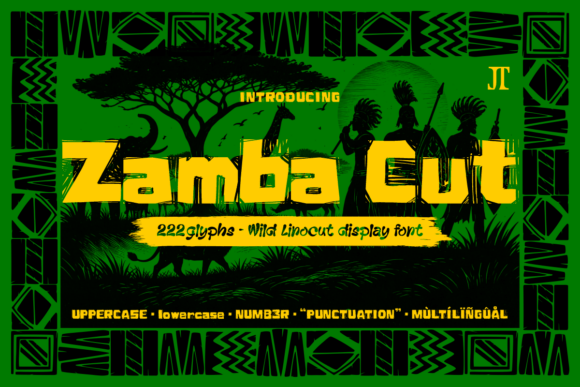
When you search for Zamba Cut, you are looking for more than just letters; you are looking for character. This Display font is rooted deeply in tribal art and traditional carvings, giving it a bold, wild linocut aesthetic that feels incredibly handcrafted. For my candle business, this was the missing link. I applied Zamba Cut to my product labels, replacing the flat digital text with something that mimicked the look of a stamp or a woodblock print. The strong shapes and irregular edges of the font added an immediate sense of authenticity. It didn’t look like it was generated by a computer; it looked like it was carved by hand. This visual cue subconsciously tells the customer that the product inside is made with care, not mass-produced in a factory. The font’s personality shines brightest when used for short phrases, logo titles, and packaging headers where impact matters more than long-form reading.
Zamba Cut for Social Media Graphics and Digital Ads
Upgrading my physical products was only half the battle; my online presence needed to match that same level of polish. In the fast-scrolling world of Instagram and Pinterest, your social media graphics need to stop the thumb mid-swipe. Standard fonts often blend into the background noise, but a creative Fonts selection like Zamba Cut commands attention. I started using Zamba Cut for my promotional banners and sale announcements. Because it is a display font, it works best in large sizes. When I paired it with high-quality photos of my candles, the text became a graphic element itself. The rough, organic texture of the letters contrasted beautifully with the smooth surfaces of my product photography, creating a dynamic visual hierarchy. This consistency across platforms—physical labels matching digital ads—helped build a recognizable brand identity that customers could trust.
Zamba Cut for Boutique Tags and Thank-You Cards
One of the most impactful ways to elevate a small business is through the unboxing experience. After ordering a few units of Zamba Cut, I redesigned my thank-you cards and boutique hang tags. These small touchpoints are often kept by customers long after the purchase is complete, serving as free advertising if they are visually appealing. The tribal and linocut-inspired style of Zamba Cut lends itself perfectly to earthy, natural themes. I used it for words like "Handmade," "With Love," and my shop name. The font’s boldness ensures readability even when printed on smaller tags, provided you leave enough negative space around the letters. It adds a tactile quality to the design, making the paper feel more substantial and premium. This attention to detail signals to the customer that their support is valued, encouraging repeat business and positive word-of-mouth referrals.
Zamba Cut for Café Menus and Restaurant Signage
While I run a product-based business, the principles of Zamba Cut apply equally well to service industries, such as café owners or restaurant proprietors. Imagine a cozy coffee shop wanting to highlight its specialty roasts or seasonal pastries. A menu designed with a clean, modern sans serif might feel sterile, but one featuring Zamba Cut for the section headers would evoke a sense of heritage and craftsmanship. The font’s connection to traditional carvings gives it a timeless feel, which is ideal for establishments that want to project stability and tradition. Whether it’s a chalkboard sign outside the shop or a printed menu inside, Zamba Cut provides a strong visual anchor. It works exceptionally well for headlines and short descriptive text, guiding the eye through the offerings without overwhelming the reader. The key is to use it sparingly for maximum effect, letting its unique shape do the heavy lifting.
Font Pairing Strategies for Modern Typography
Using Zamba Cut effectively requires understanding its role within a broader typographic system. Because it is a bold display font, it can easily overpower other elements if not balanced correctly. The best practice is to pair Zamba Cut with a clean, simple sans serif font for body text. For example, I use Zamba Cut for my brand name and main headings, but I rely on a lightweight sans serif for ingredient lists, shipping information, and longer descriptions. This combination creates a harmonious balance between artistic flair and functional readability. If you are designing for a more elegant niche, such as a skincare brand, pairing Zamba Cut with an elegant serif font can create a sophisticated yet grounded look. Avoid pairing it with other decorative or script fonts, as this will create visual clutter. The goal is to let Zamba Cut be the star while the supporting typography remains helpful and unobtrusive.
Commercial Licensing and File Format Considerations
Before incorporating Zamba Cut into any commercial product, it is crucial to review the licensing terms. As an entrepreneur, protecting your business means ensuring you have the right to use the font for merchandise, packaging, and client work. Most premium fonts come with various file formats, including OTF and TTF, and may include alternate characters or ligatures that enhance the design. Check if the font supports multilingual characters if you plan to sell internationally. Understanding these technical details ensures that your designs render correctly across different devices and printing methods. Whether you are creating digital downloads, physical stickers, or website banners, having the correct license gives you peace of mind and allows you to focus on what you do best: growing your brand with confidence and creativity.