Stacked Bookmark Review: A Handwritten Display Font for Elegant Branding
I remember staring at a blank Figma file, the cursor blinking mockingly against a white background. The client wanted a brand identity that felt approachable yet sophisticated—something for a boutique skincare line that whispered rather than shouted. I had tried several modern sans serifs, but they felt too sterile. Then I pulled up Stacked Bookmark. It wasn’t just another typeface; it was an immediate shift in mood. This handwritten display font brings a charming allure to any project, and after testing it across a full brand board, I’m ready to share why this creative font deserves a spot in your design assets.
Stacked Bookmark for Wedding Invitations and Statement-Making Designs
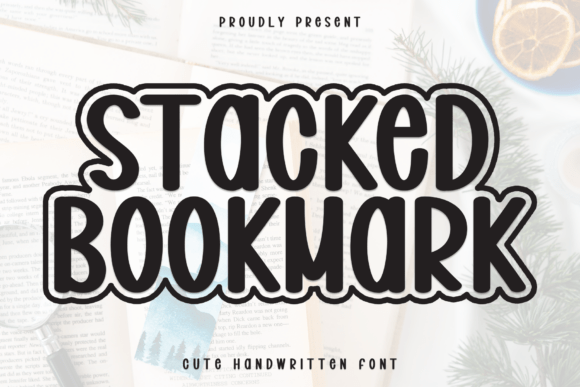
When you first open the folder containing these Fonts, the personality of Stacked Bookmark is undeniable. As a premium font designed with idiosyncratic charm, it excels in contexts where emotion and elegance take precedence over rigid structure. I tested it on a mock wedding invitation suite, and the results were striking. The letterforms have a slight, organic tilt that mimics genuine handwriting without sacrificing legibility. Unlike many script fonts that become unreadable at smaller sizes, Stacked Bookmark maintains its clarity even when scaled down for RSVP cards or table numbers.
The term "statement-making" isn’t just marketing fluff here; it describes how the font commands attention. When used for a main headline on a digital ad or a poster, the unique spacing and playful curves create visual interest instantly. It works beautifully for brands that want to convey warmth and personal touch. Whether you are designing for a handmade jewelry shop or a luxury bakery, this display font adds a layer of sophistication that feels curated and intentional. It transforms simple text into a visual experience, making it ideal for editorial design pieces where typography itself is part of the narrative.
Stacked Bookmark Performance in Logo Design and Brand Identity Systems
One of the most critical tests for any typeface is its viability in logo design. Can it stand alone? Does it hold up when reduced to favicon size? I took Stacked Bookmark and applied it to a local café’s rebranding project. The goal was to move away from traditional serif logos toward something more contemporary and friendly. Using Stacked Bookmark as the primary logotype provided a perfect balance. It felt established yet fresh, avoiding the pitfalls of looking too childish or overly formal.
In building out the broader brand identity, consistency is key. I found that Stacked Bookmark pairs exceptionally well with clean, minimal elements. Because the font has such strong character, it doesn’t need heavy graphic support. However, for body copy, I recommended pairing it with a neutral sans serif font to ensure readability on menus and informational signage. This combination allows the brand to maintain its distinctive voice while ensuring that practical information remains accessible. For entrepreneurs and small business owners, this versatility is invaluable. You get one font that can serve as both the face of the brand and a decorative accent, simplifying your design system without losing impact.
Stacked Bookmark Applications in Packaging Design and Product Labels
Packaging design requires typography that can compete on crowded shelves. Visual hierarchy must be instant. I used Stacked Bookmark for a series of product labels for an artisanal soap maker. The handwritten style immediately communicated "natural" and "crafted," aligning perfectly with the product ethos. The font’s name, Sweet and Friendly, is aptly chosen because it evokes a sense of care and attention to detail.
On physical mockups, the texture and flow of the letters caught the light in a way that made the packaging feel tactile. For online shop owners and crafters, using a creative font like this in your product photography can significantly boost engagement. It breaks the monotony of standard e-commerce templates. When placed on a jar, a box, or a hang tag, Stacked Bookmark acts as a silent salesperson, inviting the customer to connect with the story behind the product. It is particularly effective for short phrases, ingredient lists headers, or branding stamps. Just ensure that the background contrast is sufficient; the organic nature of the strokes benefits from clear separation from the substrate.
Stacked Bookmark for Social Media Graphics and Web Headers
Digital spaces demand quick comprehension. In my review of Stacked Bookmark, I tested its performance on Instagram posts and website hero sections. For social media graphics, the font’s distinct shape helps content stand out in a fast-scrolling feed. It works best as a headline overlay on images. I paired it with a bold, solid color block to enhance its visibility. The font’s idiosyncrasies add a human element to digital content, which is crucial for building community and trust with an audience.
For web design, use Stacked Bookmark sparingly but strategically. It is not suitable for long-form body text due to its decorative nature. Instead, reserve it for navigation accents, call-to-action buttons, or section headers. On a homepage hero section, it can set the tone for the entire user experience. When combined with ample white space, the font breathes, allowing its unique characteristics to shine. This approach ensures that your website feels modern and stylish without compromising usability. For bloggers and publishers, incorporating this display font into featured post titles can add a touch of personality that distinguishes your platform from generic news sites.
Practical Considerations and Font Pairing Advice
While Stacked Bookmark is a powerful tool, it requires thoughtful application. It is primarily a display font, meaning it is designed to be seen, not read in bulk. Avoid using it for paragraphs of text or legal disclaimers. Its strength lies in its ability to convey mood and style in short bursts. When selecting a companion typeface, look for simplicity. A geometric sans serif font provides a stable foundation that lets Stacked Bookmark take center stage. Conversely, pairing it with a classic serif font can create a high-fashion, editorial look, though this requires careful balancing of weights and scales.
Before committing to Stacked Bookmark for final client work, always test it in context. Print it out, view it on mobile screens, and check it against your existing color palette. Pay attention to kerning and spacing; the font’s natural quirks may require minor manual adjustments to achieve optimal alignment. Additionally, review the included styles and alternates if available. These features can add variety to your designs without introducing new typefaces, maintaining cohesion across all design assets.
Finally, remember to check the commercial font licensing terms. If you plan to use Stacked Bookmark in merchandise, templates, or large-scale print runs, ensure your license covers those specific uses. Proper licensing protects both you and the designer, allowing you to use this charming, versatile typeface with confidence. By integrating Stacked Bookmark into your workflow, you gain access to a tool that effortlessly blends elegance with approachability, elevating your branding projects from ordinary to exceptional.