Rest Area: A Handmade Display Typeface for Editorial Design
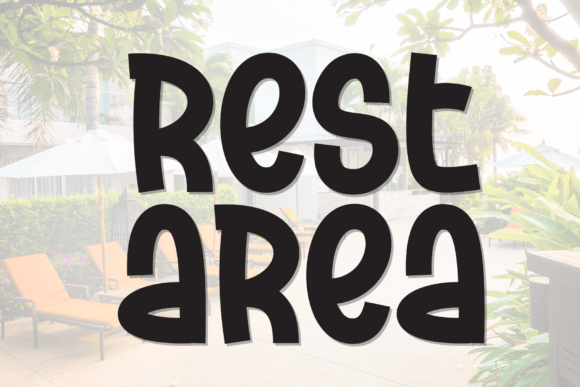
When you are designing digital products, print publications, or brand identities, selecting the right display typeface can define the entire visual tone of your project. Rest Area is a charming and delightful handmade display typeface that brings a quintessence of sweetness and friendliness to any layout. Unlike rigid geometric sans serifs or overly ornate scripts, this font strikes a balance between approachability and professional polish, making it an ideal choice for creators who want their content to feel personal yet structured.
In the world of editorial design, where readability and aesthetic appeal must coexist, the personality of your typography speaks volumes before the reader processes a single word of body text. This guide explores how Rest Area can elevate your blog headers, magazine covers, ebook titles, and social media graphics while maintaining clarity and engagement across various platforms.
Rest Area for Wedding Invitations and Elegant Branding
While originally described as breathing life into wedding invitations, the versatility of Rest Area extends far beyond nuptial stationery. The font’s inherent warmth makes it perfect for brands that wish to convey trust, comfort, and human connection. For editorial designers working on lifestyle magazines, bridal guides, or romantic-themed newsletters, Rest Area serves as a powerful tool for establishing mood.
Consider using Rest Area for main headlines in a wedding planning ebook or a featured article in a digital magazine. Its handmade quality adds a layer of authenticity that mass-produced fonts often lack. When paired with ample white space and soft imagery, the font allows the content to breathe, reinforcing the "rest" concept embedded in its name. It is particularly effective for pull quotes, chapter openers, and section dividers where you need to capture attention without overwhelming the reader.
- Cover Text: Use large weights of Rest Area for magazine or ebook covers to create an immediate emotional hook.
- Subtitles: Pair with a clean sans serif font to maintain hierarchy while adding character to secondary information.
- Accent Typography: Utilize the font for small details like date stamps, location names, or decorative elements in printable planners.
Enhancing Blog Headers and Newsletter Graphics
For bloggers and newsletter writers, the first impression is critical. A consistent typographic voice helps build brand recognition and keeps readers engaged. Rest Area offers a unique solution for content creators looking to stand out in crowded feeds. Whether you are writing a coaching workbook, a recipe collection, or a personal essay series, this font adds a touch of whimsy that invites interaction.
When designing email newsletters, visual fatigue is a common issue. Using Rest Area for subject lines or header graphics can break up text-heavy layouts and draw the eye to key calls-to-action. Because it is a display font, it works best when used sparingly. Reserve it for titles and short phrases rather than long paragraphs. This ensures that your message remains clear and accessible, adhering to best practices for digital readability.
Furthermore, Rest Area complements modern typography trends that favor handcrafted aesthetics. In a digital landscape dominated by uniform corporate fonts, a handwritten font like Rest Area signals creativity and care. It suggests that the content within has been curated with love, which can increase click-through rates and reader retention.
Optimizing Visual Hierarchy in Ebook Titles and Printables
Editorial design relies heavily on visual hierarchy to guide the reader through complex information. Rest Area excels at creating distinct layers of importance. Its playful yet legible forms make it suitable for headings, subheadings, and list items in educational materials such as course guides, worksheets, and lead magnets.
For example, in a downloadable PDF guide on mindfulness or home organization, Rest Area can be used for the main title and major section breaks. This creates a welcoming structure that encourages users to explore the content. The font’s friendly demeanor reduces the intimidation factor often associated with dense informational texts, making learning feel more like a conversation.
When exporting these documents for print or digital distribution, ensure that the contrast between Rest Area and the background is sufficient. High-quality PDF exports preserve the subtle nuances of the handmade strokes, ensuring that the font looks crisp on both mobile devices and high-resolution prints. Always check the included styles and alternates to find the perfect weight for your specific layout needs.
Font Pairing Strategies for Editorial Layouts
No display font exists in isolation. To maximize the impact of Rest Area, it is essential to pair it with complementary typefaces that enhance readability. Since Rest Area is a creative font with strong personality, it should be balanced by neutral, highly legible fonts for body copy.
A classic pairing strategy involves combining Rest Area with a traditional serif font for long-form reading. The elegance of a serif like Garamond or Merriweather grounds the whimsy of Rest Area, creating a sophisticated editorial look. Alternatively, for a more contemporary feel, pair it with a clean sans serif font such as Helvetica or Lato. This combination works exceptionally well for modern blogs, tech-focused newsletters, and minimalist magazine designs.
When designing captions, navigation menus, or footnotes, stick to the neutral partner font. This distinction helps users quickly identify different types of information. By limiting the use of Rest Area to primary headings and decorative elements, you maintain a clean visual hierarchy that supports rather than distracts from the content.
Commercial Licensing and Practical Application
As a publisher or independent creator, understanding licensing is crucial. Rest Area is designed for commercial use, allowing you to incorporate it into paid products such as ebooks, templates, and client publications. However, always review the specific license agreement to ensure compliance with terms regarding digital downloads and resale rights.
For those creating digital assets, consider testing Rest Area in various contexts before finalizing your design. Mock up a blog post header, a social media graphic, and a page from an ebook to see how the font performs in different sizes and resolutions. This practical approach ensures that the font enhances your brand identity without compromising functionality.
In summary, Rest Area is more than just a decorative element; it is a strategic design asset. Its charm and friendliness make it an excellent choice for editorial projects that aim to connect with readers on an emotional level. By integrating this display font into your workflow, you can create content that is not only visually appealing but also memorable and engaging.