Comic Boulder: A Bold Display Font for Playful Editorial Design
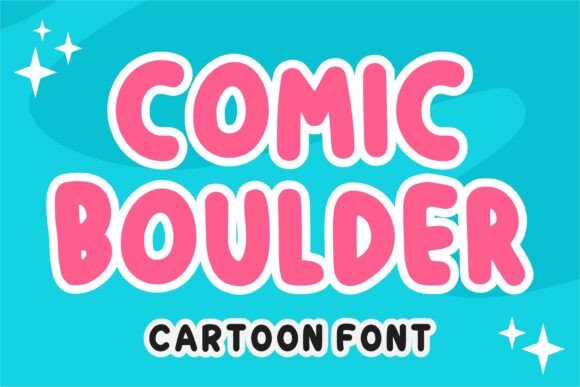
When editorial designers seek a comic boulder style that balances chunky appeal with professional structure, this display font offers a distinct visual voice. As a publisher or content creator, selecting the right typography is not merely about aesthetics; it is about guiding the reader’s eye and establishing an immediate emotional connection. This bold and playful cartoon font features chunky, rounded letterforms and a fun bubble style that delivers a cheerful and energetic look. For those designing materials targeting kids’ activities, comic-themed publications, or lighthearted lifestyle brands, understanding how to integrate such a dynamic typeface into your workflow is essential for maintaining both engagement and readability.
Comic Boulder for Magazine Covers and Digital Headers
The primary strength of Comic Boulder lies in its ability to command attention without sacrificing legibility at larger sizes. In the realm of display fonts, few characters possess the same immediate impact as this bubbly, rounded typeface. When applied to magazine covers, digital blog headers, or newsletter titles, it creates an instant sense of fun and approachability. Unlike rigid geometric sans serifs, the organic curves of Comic Boulder soften the tone of your publication, making complex topics feel more accessible. For instance, a lifestyle blogger covering parenting tips or a digital magazine featuring youth culture can use this font to signal that the content is friendly and engaging. The weight of the letters ensures they stand out against busy background images, serving as a powerful anchor for your visual hierarchy.
Enhancing Visual Hierarchy with Bubble Typography
Effective editorial design relies on clear distinctions between headlines, subheads, and body text. Comic Boulder excels as a headline font because its substantial presence naturally draws the eye first. However, because of its highly stylized nature, it should be used sparingly. Reserve this font for key moments in your layout: the main title of an ebook chapter, the header of a printable worksheet, or the pull-quote in a long-form article. By contrasting the heavy, rounded forms of Comic Boulder with a clean, neutral sans serif font for body copy, you create a sophisticated balance. This pairing allows the personality of the display font to shine while ensuring that the detailed information remains easy to read. This strategy is particularly effective in guidebooks and instructional materials where clarity is paramount but visual interest must also be maintained.
Comic Boulder for Kids Designs and Educational Materials
One of the most natural fits for Comic Boulder is in content aimed at younger audiences. The description of the font as having a "cheerful and energetic look" makes it ideal for educational resources, children’s activity books, and school newsletters. When creating downloadable PDFs, coloring sheets, or interactive e-learning modules, the bubbly aesthetic helps reduce intimidation and encourages interaction. Teachers and course creators often struggle to make learning materials feel less like textbooks and more like adventures; this font bridges that gap effectively. Its rounded edges mimic the softness associated with childhood play, making it a strategic choice for any brand identity focused on early education or family-friendly entertainment.
Building Brand Identity for Youth-Focused Publications
Consistency is key to building a recognizable brand, and typography plays a central role in that process. If your publication focuses on comics, gaming, or creative arts for teens, adopting Comic Boulder as part of your core typographic system can reinforce your niche. Use it consistently across social media graphics, YouTube thumbnails, and website banners. The font’s unique character set adds a layer of personality that standard web fonts cannot replicate. By integrating this specific typeface into your brand guidelines, you ensure that every touchpoint feels cohesive and intentionally designed. This level of detail signals professionalism to your audience, even when the subject matter is lighthearted.
Comic Boulder for Printable Guides and Lead Magnets
In the world of digital marketing, lead magnets such as checklists, planners, and worksheets are critical for capturing email subscribers. These assets need to be visually appealing enough to download yet functional enough to use repeatedly. Comic Boulder works exceptionally well for section headers within these documents. Imagine a weekly planner where the days of the week are set in this bold, bubbly font—it instantly transforms a mundane organizational tool into a cheerful companion. Similarly, for recipe ebooks or craft guides, using Comic Boulder for ingredient lists or step-by-step instructions can add a whimsical touch that keeps readers engaged. The font’s high contrast against white backgrounds ensures that print exports remain crisp and readable, whether viewed on a tablet or printed on home paper.
Optimizing Readability for Screen and Print
While Comic Boulder is undeniably striking, editorial designers must consider context. It is not suited for long paragraphs of body text due to its heavy weight and distinctive shapes. Instead, treat it as an accent typography tool. Use it to highlight key takeaways, emphasize warnings, or draw attention to special offers within your newsletters. For mobile layouts, test the font at various sizes to ensure the rounded details do not blur or become indistinct on smaller screens. Generally, keeping the font size above 24pt for digital use and ensuring high-resolution output for print will preserve its intended charm. Always preview your designs in grayscale to check if the font maintains enough contrast to remain legible without color support.
Font Pairing Strategies for Modern Editorial Layouts
To maximize the effectiveness of Comic Boulder, thoughtful font pairing is required. Since this is a display font with strong personality, it needs a quiet partner to provide structural stability. A modern sans serif font, such as Helvetica, Open Sans, or Lato, serves as an excellent counterpart for captions, navigation menus, and body copy. These neutral typefaces allow the Comic Boulder to take center stage in headings without competing for attention. Alternatively, for a more classic editorial look, you might pair it with a humanist serif font for book chapters or magazine articles. The contrast between the structured serifs and the playful bubbles creates a dynamic tension that is visually interesting yet balanced. Avoid pairing it with other script or handwritten fonts, as the combination can become cluttered and difficult to read.
Leveraging Commercial Licensing for Digital Products
For publishers and independent creators, understanding licensing is crucial. Comic Boulder is designed for commercial use, meaning you can legally incorporate it into products you sell, such as ebooks, templates, and paid newsletters. However, always verify the specific terms of the license agreement provided by the foundry. Some licenses may restrict the number of end-products or require attribution. By securing the proper commercial rights, you protect your intellectual property and ensure that your hard work in creating valuable content does not lead to legal complications. Investing in a quality, properly licensed display font like Comic Boulder is an investment in the professionalism and longevity of your publishing brand.